Through 18 years of trial and error, I have figured out how to stay more and more organized and create facilities/culture/programs that have shown improvement. These lessons were definitely something I wish had been shared with me years ago, but it takes any coach time to figure out how they work best. There’s a lot to cover, so without further ado, let’s get into it, starting with the Fall, which is for development and ordering supplies!
Have two or three objectives that will provide clear direction for your program. This is the time to establish routines, introduce methodology, and teach how you are going to prepare and ultimately play.
In September, order game balls—we go with 10 dozen—and new BP balls (we get 10 dozen every year as well). To avoid headaches and supply chain issues, it is best to order these in the fall. We have a local company that handles these orders and stamps our game balls with our logo.
September is also a good time to order lineup cards, dugout cards, and training aids—we use paddles, CamWood bats, among other items—and equipment such as motors for your machines. Thinking ahead of needs and trying to budget for them is always the best plan. Creating prioritized lists help with ensuring you have items every year that help build on your tools to train your athletes.
October is typically ideal for overseeding your field and servicing irrigation heads. If you are in a warm climate, rye grass is the preferred overseed that goes very well with bermuda grass. If you are unsure, most local landscapers are happy to lend advice and even test your soil. Most will recommend fertilization schedules if your county doesn’t offer this service.
Additionally, hats and uniforms should be ordered this month as well, if you have aspirations of having everything available by February 1st.
Most areas end fall workouts around Halloween, right along with the start of winter sports. This is a great time to meet with athletes to go over their present level and what the focus should be on in the offseason to guide their workouts.
I have found it’s always good practice to have about 20 bags of mound clay ordered in November, for the mound and batter’s boxes. Also, order a pallet of chalk or cans of paint (if you paint the lines) and at least a pallet of Turface to make sure you can combat the early season rains on your dirt surfaces.
Fall team shops are a good idea this month so kids can get merchandise they will need for the season and parents can get some gifts for the holidays.
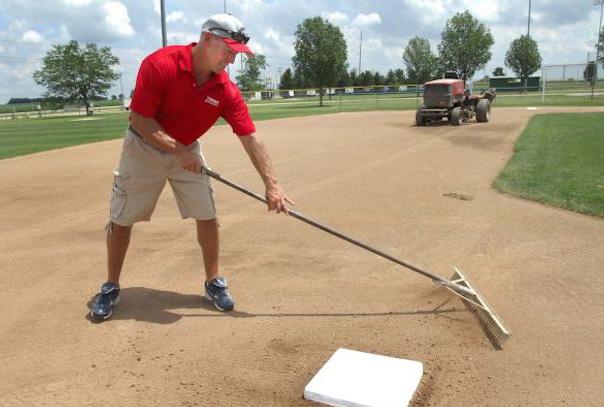
Lastly, before the ground starts to freeze, I would highly recommend edging your mound, home plate, and infield cutouts. Getting these lines tight and warning tracks cleaned up ensures a fresh start for the spring.
We highly encourage November to be active rest from throwing, with a return to throwing in December and a push towards the mound in January to set up preseason bullpens and live looks. Most of December is timed throwing for us to build back strength and stamina. Arm care, weight training, and mobility work are three elements we focus on year-round. We cycle in and out of different intent levels based on how active we are with our playing.
This is a great time to focus on field projects, renovations, and other training you can afford to acquire. For us, if the weather is warm enough we paint dugouts, buildings, and clean up our cages and T-stations. Additionally, this is always the time for state and national coaching clinics, with the crown jewel being the annual ABCA Convention. Every year I pick an area of the game to focus knowledge growth upon and try to network to build relationships to help our student athletes find good post-high school homes. None of us is ever a finished product, so check the ego and approach this time as a season of growth.
When February rolls around, the baseball focus is live looks/reps to get ready for season play. Hitters need tons of reps seeing pitches, so have them stand in on bullpens so they can train the skill of tracking pitches. We let our guys call out who they want to face to add some adrenaline to the equation. If we can get our hitters 20 at-bats before our season, we feel like we have an edge.
From a field standpoint, most will use a fertilizer to green things up, followed by a weed and feed. We also take at least a day to hang the windscreen and get the field game ready for the season. These days offer a great opportunity to enlist the many talents of the parents and community! Most see the effort we put in and want the best for their kids, so we can get so much more done (mulch, leaf clean up, painting, etc). We finish these workdays with a potluck meal to build fellowship and celebrate a job well done.
In March/April, we are now in the swing of our season and trying to manage routines to keep our arms on schedule. Since most of our pitchers are two-way guys, we make sure the PFP/Bullpen/flat ground work takes priority over throws in the infield from their position. We would focus on the fielding skill with a “no-throw” for them. We evaluate our lineup to make sure we are being as offensive as possible, and we look over our position checklists—the eight-to-10 things we deem most important at that given spot.
From a surface standpoint, this is a great time to take inventory of supplies, put the next fertilizer down, and clean up around all dirt/grass edges. We also like to pick a day to really work on flooding and potential lips that might be starting to form (typically a nice warm Saturday).
In May, all sights are on postseason baseball. We are trying to refine what we do and have an understanding of who we’re playing. Too much information has never really helped our teams. We just need to know a little bit about their arms, any special picks, how the catcher throws, how often they run, and any bats that can beat us.
We try to order summer gear by the end of April, and we are starting to prepare for things like topdressing the field in the later summer months. We focus on inventory and seeing what our needs will be for the next season. We meet as a staff after our season has ended, to break it down and see what we can do better next year. Then all sights are on our major PR night—the end-of-the-year banquet. We have been doing potluck style, but however you do it—it’s really important to speak to the high points of the season, give a state of the program, and cast a vision for the future.
In the summer months from June through August, the focus is on summer exposure and continued progress. Networking helps here. We also like to look at bigger projects or equipment we would like to get and create a plan to attack this.
The field needs constant edging to keep the surface pristine. This effort will pay huge dividends in the fall when you have to maintain and not redo.
We coordinate topdressing for August and give our guys the best June and July we can. We highly encourage taking the month of August off to actively rest from the spring and summer activities. This is the time of the year we map out fall workouts, lifts, and different variations for our baseball-only and our multisport athletes. We try to have development plans that are good for the fall, winter, preseason, in-season, and summer months. We meet with our guys, stay plugged into summer showcase games, scout day events, and try to keep up with outside lessons/instruction to ensure we are on the same page and they are working towards their goals.
While a loose timeline, this is something to think about and for the newer coach, a resource to provide direction and focus throughout the year. Like anything else, borrow what you like, talk as a staff, discuss your processes, and find what works best for you. Good luck!