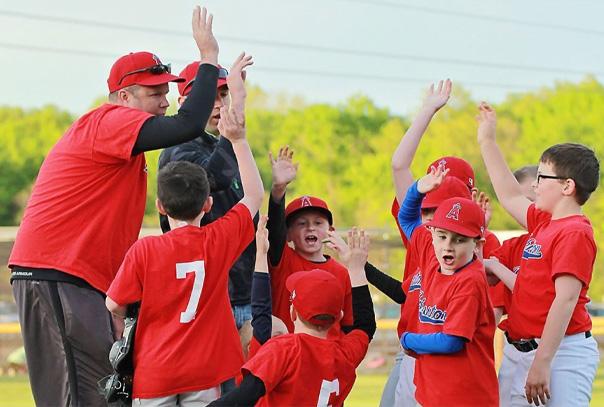
The best coaches don’t stand above their teams, they stand beside them. True leadership isn’t about control; it’s about service. As coaches, we’re called to lead by lifting others, to empower rather than command, and to listen as much as we teach. Servant leadership in coaching means putting athletes first—their growth, their character, their future—and trusting that by serving them well, we create something far greater than wins on a scoreboard.
Great coaches don’t just build teams, they serve them by showing up early, staying late, and putting athletes’ growth ahead of their own personal glory. It’s about teaching hustle and heart, holding a standard while showing compassion, and leading not from a pedestal—but from the trenches. The coach who serves first creates a culture where players thrive, trust runs deep, and success on and off the field becomes inevitable.
So many amazing human beings who answer the call to teach leave the profession so early because of the added stress each year, the low pay, the ridicule from parents, and lack of support from above at times. So why go through all of that? Because they have answered the call to be servants to their students.
Coaches are similar, and many do it on a volunteer basis or for a stipend or small salary, making pennies per hour for their hard work. And yet, we see many coaches stay in their profession longer than most would expect.
Why?
Just like those teachers, coaches are doing it for something way bigger than the money. They do it for the impact on each individual that they have the honor of coaching. Not from an egotistical point of view, but because they genuinely care about each individual and want them to be the best human being possible.
When you think of the word “servant” what comes to your mind?
According to Webster’s Dictionary, the first part of the definition is one who serves or performs duties for others over themselves. There’s also a concept called servant leadership, which means a leadership style that prioritizes the growth and well-being of others.
In 1970, Robert Greenleaf wrote an essay that first introduced Servant Leadership and further defined it as being a servant first and putting the well-being of others ahead of personal gain or power.
Servant leaders also possess empathy, a strong ability to listen, and stewardship—taking accountability for their role and how to take care of the needs of those on their teams. They are committed to the growth of others by dedicating themselves to the personal growth of their players. And finally, they are committed to building community by way of promoting collaboration and trust among their teams.
While we are developing athletes to compete at the highest level, coaches are also in the business of developing them into the best humans possible. Believe it or not, the life lessons we teach through our words and actions will have more of an impact than their ability to drag bunt or throw a kick-change.
There’s a reason why we say the term “student-athlete.” There is more to athletics than just playing games. We as coaches need to give our players tools that are not sport-specific to help them create life skills that will be more useful in their daily lives. Working as a team player, handling constructive feedback, and learning to advocate for themselves when they feel it’s necessary are critical life skills.
Giving them the voice and opportunity to be their own coach at times will make them better as humans than a coach who directs orders and makes their players’ decisions for them, giving them zero opportunities to think and advocate on their own. Yes, it’s ok to allow them to choose the drills they feel will help them succeed. You are not in their body and can’t tell how they feel and move about.
As I said before, coaching and teaching go hand-in-hand for many reasons, but one of the biggest is because we are the ones who are with the kids each day more than their parents during the week. No, this is not a dig at parents at all, just giving you the point that we are around these humans daily and that we are another set of role models that they have, and sometimes, we may be the only positive role models in their lives.
So, our presence is more important than ever, given that these young athletes are exposed to so many things so easily that they have a hard time understanding parts of life—that’s where we come in!