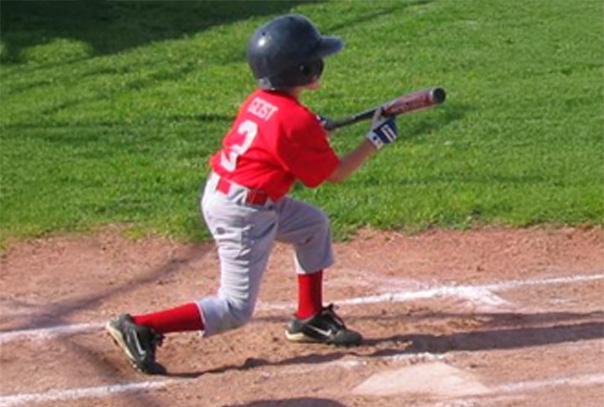
Picture this: it’s a close game. Your pitcher is pitching his heart out, but there are runners on first and third with nobody out. The batter swings and misses on the first pitch. Suddenly, as your pitcher releases the next pitch, the batter shifts from his batting stance and drops a bunt down right between the pitcher and the catcher. You watch in disbelief as the batter runs towards first, the runner on first sprints towards second, and the runner on third shuffles off the bag. You watch as both your pitcher and catcher stare at each other for a beat before scampering after the ball, and you can see it all now: the panicked reaction, the hurried throw to first, the ball sailing down the right field line, and the merry-go-round begins, with the other team celebrating one of the biggest momentum plays in baseball—extra bases in exchange for a bunt.
Youth baseball players typically haven’t evolved into great bunters, but it is something that comes up and it can cause chaos and lots of mistakes for a team that is unprepared. Keeping in mind that this is geared toward youth baseball and not the skills and experience found in collegiate and pro levels, this article will outline some strategies on how to prepare a youth baseball team for the bunt.
First, somebody needs to be in charge and direct things. If the ball is moving toward the pitcher or the first base side, I like for the catcher to be in charge. If the ball is moving toward the third base side, then it’s the third baseman.
Simply, the player in charge is the one with the best view—and most likely the easier play on the ball—in certain bunt situations. These are going to change a little depending on your coaching style and how many runners are on, but for now we’ll act like the bases are empty and the batter is bunting for a hit.
Situation 1: The ball is bunted towards the pitcher. In this situation, the catcher calls the play and has priority on the ball. This is because the catcher can see the entire field and is usually moving more towards first base than the pitcher. This means they will pick up the ball, continue their momentum, and make the throw to first. On the other hand, the pitcher has to run towards the ball, pick it up, turn around and reset their feet, and make the throw. Now, if the ball is bunted poorly and goes right back to the pitcher pretty quickly, the catcher can simply let the pitcher pick it up and direct them to throw it to first base, using whatever communication methods you prefer.
Situation 2: The ball is bunted toward first base. Again, the catcher has priority if they can get to the ball. If the ball gets to a point where the first baseman has to field it instead, then the pitcher will need to be moving over to cover first base. Otherwise, the first baseman has to retrieve the ball and make it back to first before the batter-runner, which isn’t easy. The most perfect push bunts end up in “no man’s land” right in between the catcher, the pitcher, and the first baseman.
Situation 3: The ball is bunted toward third base. The catcher will move toward the ball, but in this situation the third baseman has priority and calls the play. The third baseman is moving forward to field the ball and make the throw.
Now, each of these situations assumes that there are no other runners on base. What if there is already a runner on first base? If that’s the case, then the priority is to get the lead runner. All three situations covered above hold, but the play is at second base instead of first. Now, if it’s a good bunt or there is a runner on second, I’d prefer to get the easy out at first more often than not; it’s rarely a mistake if you make an out. In those situations, make sure the pitcher covers home if the catcher vacates their position to make a play on the ball.
If we are looking at squeeze situations with a runner on third, it’s all about where we are in the game. Early in a game we can probably trade a run for an out, but in a close game late, we’ll probably want to consider holding the ball and conceding a bunt base hit to keep the runner on third.
Everyone has a role in bunt defense. Second base will move towards first if that is where the play is. The shortstop can move towards third if that is where the play is, or hover around second in the event of an overthrow or rundown. If there’s a runner moving towards second base, your middle infield will need to communicate who is covering and who is moving toward a corner base in whatever bunt coverage you are in.
The outfield has a role as well. If the ball has been bunted, then it is not going to the outfield, so they need to be moving in anticipation of an overthrow. Simple enough, right? Not in my experience! But here are some progressions for teaching this with youth baseball players that I have had success with:
Drill 1: For this drill, you need a pitcher, a catcher, and a first baseman. The goal of this drill is to practice the catcher reading the bunt, communicating, and both the catcher and pitcher working on fielding the bunt and getting the ball to first base. All situations should be practiced here (ball close to home plate, ball close to pitcher, ball close to first base, ball to the right or left of the pitcher, and the perfect “no man’s land” push bunt right in between pitcher, catcher, and first).
Drill 2: Add a third baseman for the next progression, which is again intended to work on communication, with the third baseman calling more of the plays and ideally getting the ball to first base. All situations should be practiced here including possible overthrows.
Drill 3: Now that athletes understand what to do in the situations covered by our first two drills, you can repeat each of them and add a base runner at home. This will instantly add competition, the feel of “game speed” and its accompanying stress. The first two drills are just that; this third one is more “live action.”
Drill 4: We add the shortstop in the fourth drill to complete the infield, and the progression continues to teach communication and all parties working together. You can also add runners on the bases and work on trying to get the lead out. Again, the ball should be rolled everywhere so that the players are used to reacting to different situations. Try to force the issue and get every lead out so your players have a chance to react accordingly in game.
Drill 5: For this drill, put the entire defense on the field, including the outfield. The goal is to reinforce everything that has been done before but to also add the outfield to the bunt defense.
None of these drills are meant to take a lot of practice time; they can be done for five minutes or less. Except for the last drill, none are meant to be done with the entire defense. This is to prevent players from standing around with nothing to do. The rest of the team can be working on other skills during these drills.
It is important that everyone practice these situations if they are potentially going to play a position. In other words, all your catchers need to practice being the catcher during bunt defense. All your pitchers need to practice that role, same for the other infielders and outfielders. And, looking at this from the offensive side, your base runners need to know what to do if your team is the one that lays down the bunt! I’m a huge fan of developing both sides of the ball at the same time during practice.
Setting aside a few minutes to work on this in each practice, starting simple, and gradually making things more complicated will go a long way toward letting your team execute to the situation. A well-placed bunt in the middle of a tight game does not need to be a recipe for chaos...unless it’s working in your favor, of course!